



Tips for Creating a Relaxing Home Workspace to Boost Productivity
Creating a relaxing home workspace is essential for maintaining productivity and focus, especially as more people work remotely or have flexible schedules. A well-designed, calming environment can reduce stress, minimize distractions, and promote better work habits. In this post, we’ll explore practical tips to help you create a home workspace that supports relaxation and boosts your efficiency.
Why a Relaxing Workspace Matters
When your workspace feels cluttered or uncomfortable, it can increase stress and decrease your ability to concentrate. On the other hand, a space that feels inviting and peaceful encourages you to stay organized and engaged with your tasks. Here are some benefits you can expect from a relaxing workspace:
– Enhanced concentration and focus
– Lower stress levels
– Increased motivation and creativity
– Better work-life balance
Choosing the Right Location
Your first step is selecting the best spot in your home for your workspace. Consider these factors:
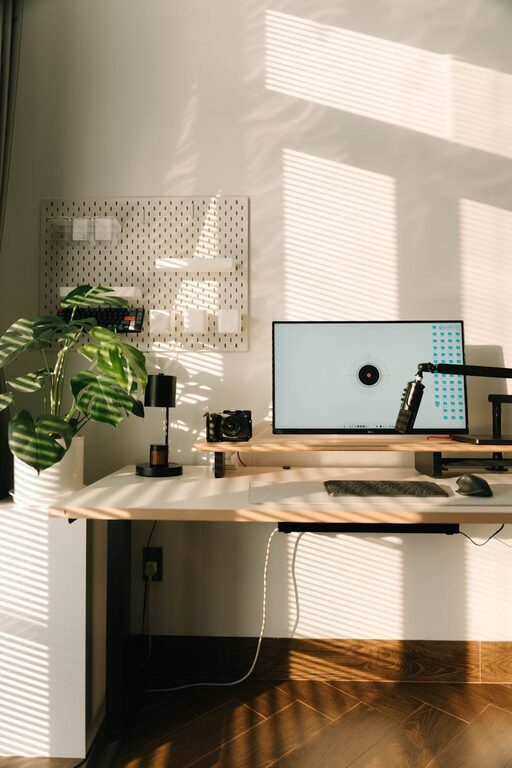
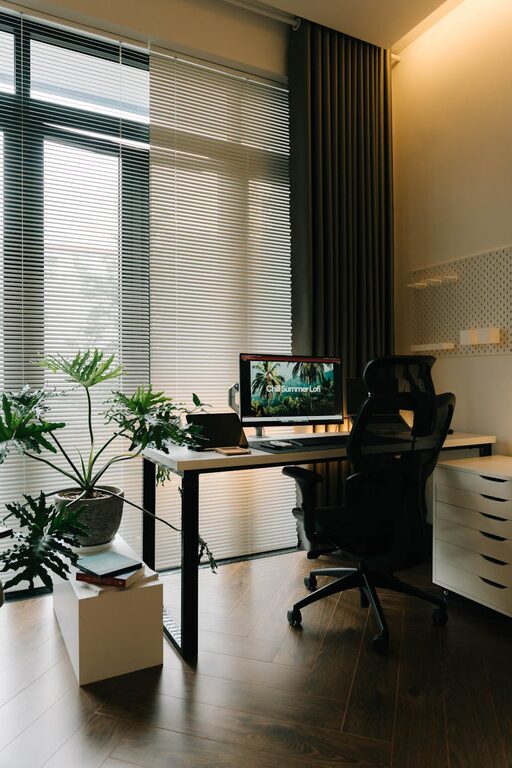
– Natural Light: Aim for a place with plenty of natural light, such as near a window. Sunlight improves mood and reduces eye strain.
– Low Traffic Area: Choose a quiet corner away from busy household areas to limit distractions.
– Adequate Space: Ensure there’s enough room for your desk, chair, and storage without feeling cramped.
If space is limited, don’t worry. Even a small nook can become a peaceful workspace with the right setup.
Invest in Comfortable, Supportive Furniture
Comfort is key to staying productive. Poor posture leads to discomfort and reduces work quality. Focus on these furniture basics:
– Ergonomic Chair: Choose a chair that supports your back and encourages good posture. Adjustable height and lumbar support features are ideal.
– Desk Height: Your desk should allow your arms to rest comfortably at a 90-degree angle when typing.
– Footrest and Accessories: If needed, use a footrest to keep your feet flat and reduce pressure on your legs.
Comfortable furniture encourages longer, more focused work sessions without the physical fatigue.
Declutter and Organize
Clutter can be distracting and stressful. Maintaining an organized workspace helps your mind stay clear. Try these organization tips:
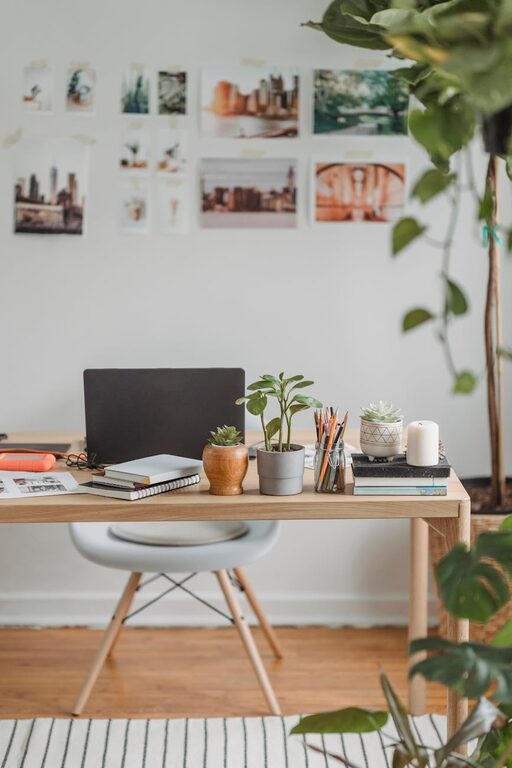
– Keep only essential items on your desk.
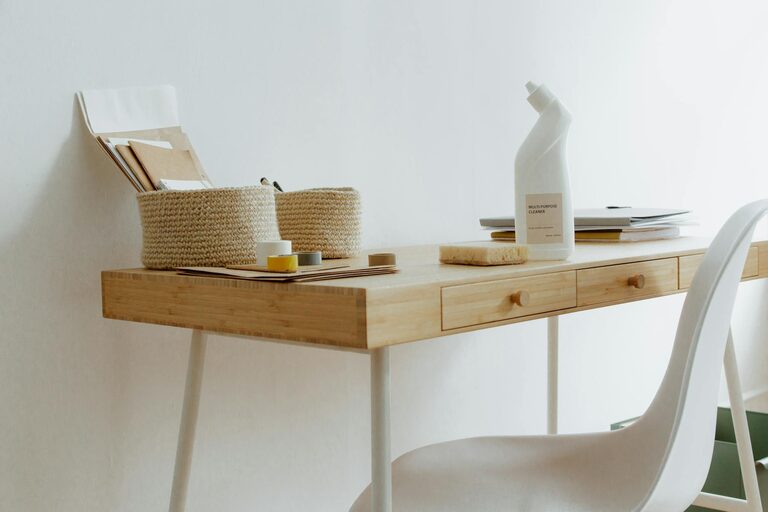
– Use storage solutions like shelves, drawers, or boxes to keep papers and supplies out of sight.
– Organize cables and cords with clips or ties to avoid tangled messes.
– Regularly clean your workspace to maintain a fresh, tidy environment.
An orderly space reduces distractions and helps you find what you need quickly.
Choose Calming Colors and Decorations
Colors and decor have a psychological impact on your mood. To foster relaxation:
– Opt for soft, neutral, or pastel colors like light blues, greens, or grays.
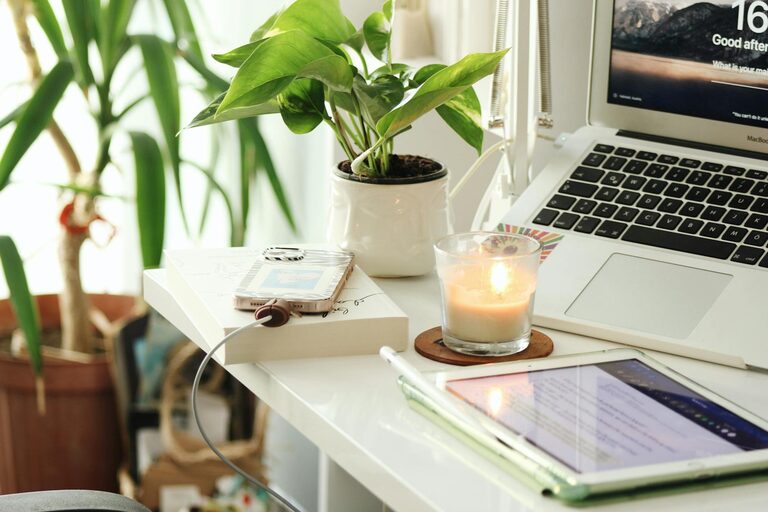
– Add natural elements such as plants or small water features to bring a sense of calm.
– Limit distracting decorations; select minimal artwork or inspirational quotes that make you feel positive.
Your environment should feel inviting but not overstimulating.
Improve Lighting and Reduce Eye Strain
In addition to natural light, consider your artificial lighting setup:
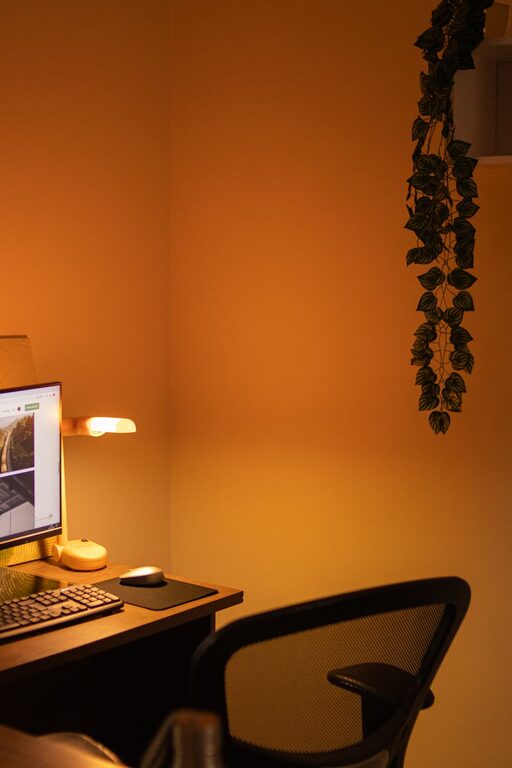
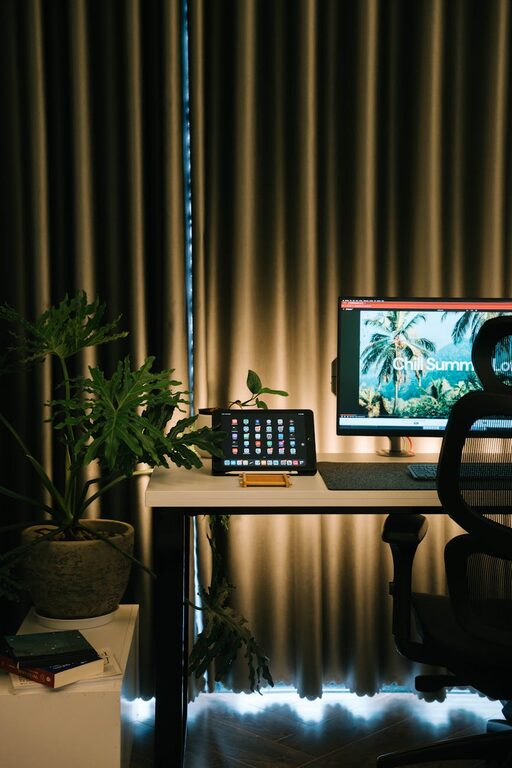
– Use adjustable lamps with soft, warm light to reduce glare.
– Avoid harsh overhead fluorescent lighting when possible.
– Position your computer screen to minimize reflections and eye strain.
Taking frequent short breaks to rest your eyes also supports comfort.
Incorporate Soothing Sounds or Silence
Depending on your preference, sound can affect productivity:
– Use noise-cancelling headphones or ambient white noise to block distracting household sounds.
– Play gentle background music like instrumental or nature sounds to enhance focus.
– Alternatively, some people work best in complete silence—find what suits you.
Soundscapes help create a personal, calming bubble for uninterrupted work.
Establish a Routine and Boundaries
A relaxing workspace pairs well with a consistent routine:
– Set regular work hours to create predictable structure.
– Use the workspace only for work-related tasks to separate work time from relaxation time.
– Communicate your schedule and boundaries to household members to minimize interruptions.
Having clear boundaries supports mental separation between work and leisure.
Personalize to Reflect Your Style
Adding personal touches makes your workspace enjoyable to be in. Consider:
– Your favorite mug or desk organizer
– Photos or small keepsakes that inspire you
– Comfortable textiles like a cozy cushion or footrest
Small details can boost your mood and motivation.
Take Breaks and Move Around
No matter how perfect your workspace is, taking breaks is vital:
– Stand up, stretch, or take a short walk every hour.
– Practice deep breathing or brief mindfulness exercises to refresh your mind.
– Step outside briefly for fresh air and natural light when possible.
Regular breaks improve mental clarity and reduce fatigue.
—
Final Thoughts
Creating a relaxing home workspace takes some thoughtful planning but pays off in enhanced productivity and well-being. By choosing a good location, investing in comfortable furniture, minimizing clutter, and personalizing your area, you can build a peaceful environment tailored to your needs. Remember to adjust your setup as you discover what helps you focus best and enjoy your workday a little more.
With these tips, you’re well on your way to a workspace that supports both relaxation and high productivity. Happy designing!