




Tips for Creating a Comfortable Home Workspace to Boost Productivity and Well-being
Creating a comfortable home workspace is essential for anyone working remotely or managing tasks from home. A well-designed area not only boosts productivity but also contributes to your physical and mental well-being. In this post, we’ll explore practical tips and ideas to help you set up a home workspace that fosters focus, comfort, and balance.
Why a Comfortable Workspace Matters
When your workspace is comfortable and organized, you can concentrate better and reduce distractions. Additionally, a thoughtful setup supports your posture and reduces physical strain. This leads to improved mood and sustained energy throughout the day.
Choosing the Right Location
Find a Dedicated Spot
Having a specific area for work helps mentally separate work time from home time. If space allows, pick a room or quiet corner to set up your office.
Consider Lighting
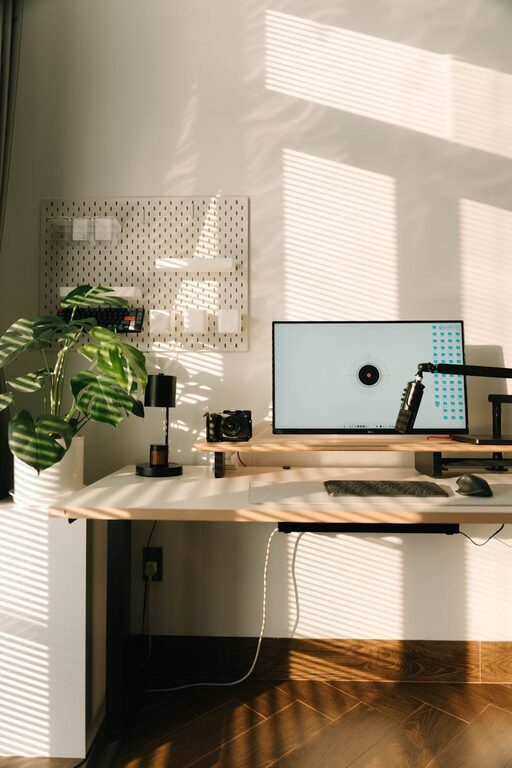
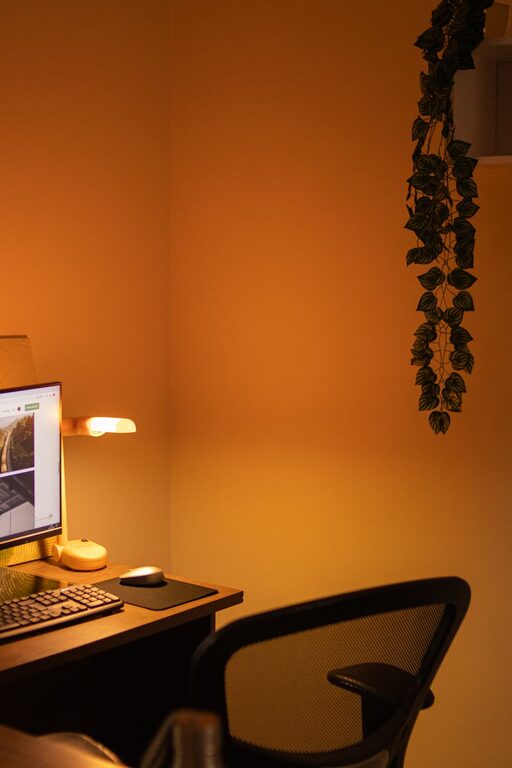
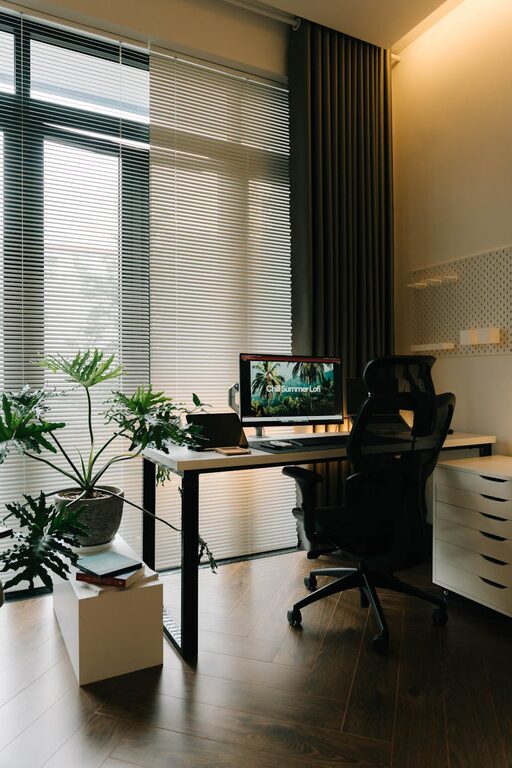
Natural light is ideal for reducing eye strain and boosting mood. Position your desk near a window when possible. If natural light is limited, invest in a quality desk lamp with adjustable brightness.
Ergonomic Furniture
Select a Supportive Chair
A good office chair with lumbar support helps maintain proper posture. Avoid sitting on sofas or soft chairs for long periods, as they can lead to discomfort.
Desk Height and Setup
Your desk should be at a height where your arms are at a 90-degree angle when typing. If needed, adjustable desks or keyboard trays can help achieve this, preventing strain on wrists and shoulders.
Organizing Your Workspace
Declutter Regularly
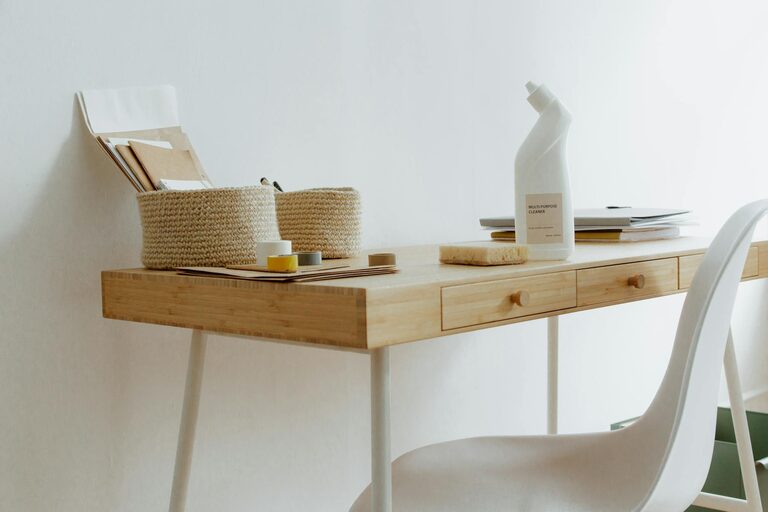
Clutter can be distracting and stressful. Keep only essential items on your desk and use organizers or storage bins for other belongings.
Cable Management
Use clips or sleeves to keep cables neat. This helps maintain a clean workspace and reduces the risk of tripping over cords.
Personalizing Your Space
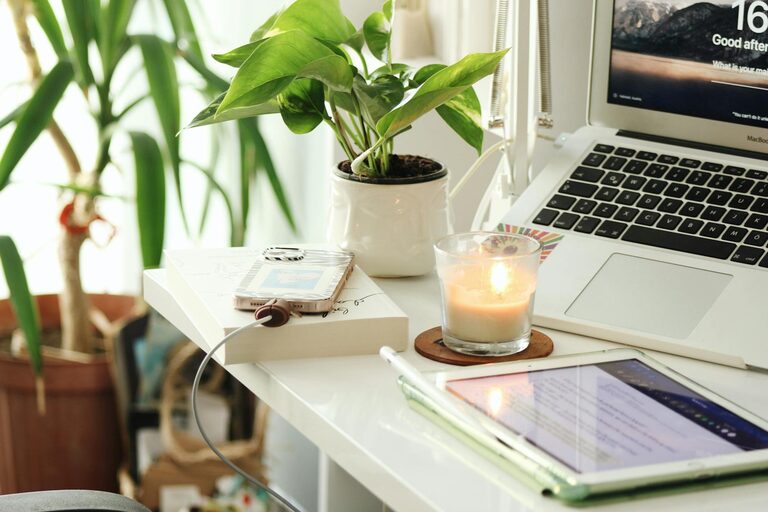
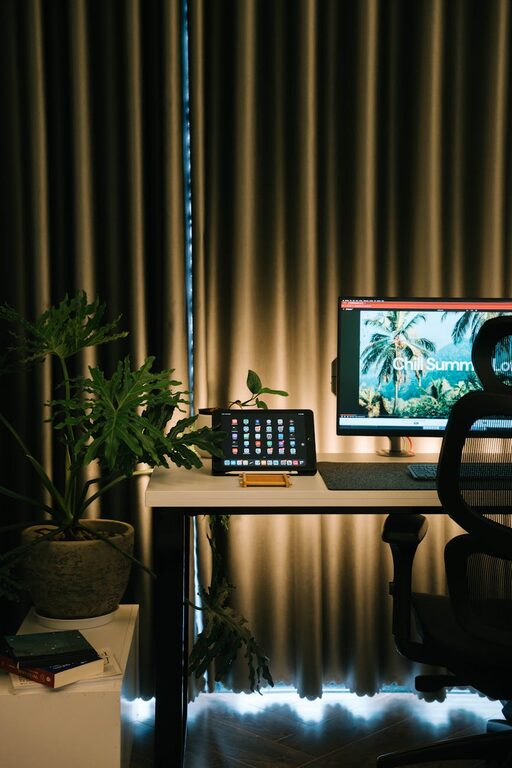
Adding personal touches can make your workspace inviting and motivating. A few plants, photos, or artwork can boost positivity without creating distractions.
Maintaining Air Quality and Temperature
Good air quality is vital for concentration and well-being. Keep the space ventilated and, if possible, add an air purifier. Maintain a comfortable temperature to avoid discomfort or sluggishness.
Incorporating Break Areas
If your space allows, create a small area to take short breaks. Stretching or stepping away for a few minutes helps prevent burnout and improves focus when you return.
Using Technology Wisely
Invest in Essential Tech Tools
A good monitor, keyboard, and mouse can ease the physical demands of computer work. Consider noise-cancelling headphones to reduce distractions in busy environments.
Manage Notifications
Turn off non-essential notifications during work hours to stay focused. Use productivity apps to organize tasks and set reminders.
Establishing Healthy Habits
Take Regular Breaks
Following the 20-20-20 rule helps reduce eye strain: every 20 minutes, look at something 20 feet away for at least 20 seconds.
Stay Hydrated and Move
Keep water nearby and remember to stand or walk every hour. Movement promotes circulation and reduces stiffness.
Conclusion
Creating a comfortable home workspace takes some time and thought, but the benefits are well worth the effort. By choosing the right location, investing in ergonomic furniture, organizing your area, and adopting healthy habits, you can enhance both your productivity and well-being. Start making simple changes today and enjoy a more enjoyable and efficient work-from-home experience.